
How CRP Plantings Support Upland Birds, Songbirds, and Migratory Species
Grasslands are among the most threatened ecosystems in North America, and as they disappear, so too do the birds that depend on them. Fortunately, the Conservation Reserve Program (CRP) provides a powerful tool for reversing this trend. Through the establishment of native grasses, forbs, and wildflowers, CRP fields offer critical habitat for a wide variety of bird species; from ground-nesting upland game birds to colorful songbirds and long distance migratory species.
At FDCE, we’ve helped landowners successfully establish over 400,000 acres of native habitat. We understand that when CRP is done right, it not only improves soil and water quality; it also brings bird songs back to the landscape.
Why Birds Need CRP Habitat
Bird populations across North America have declined significantly over the past few decades. Habitat loss, fragmentation, and intensive agricultural practices have played a major role in this decline. CRP helps reverse that trend by converting marginal farmland into wildlife-friendly habitats.
Native CRP plantings provide:
• Food in the form of seeds, insects, and nectar
• Shelter and nesting cover for ground- and shrub-nesting species
•Safe stopover sites for migratory birds traveling thousands of miles
These habitats are essential to species that have nowhere else to go.
Species That Benefit from CRP
CRP fields can be tailored to support specific conservation goals, including creating ideal habitat for priority bird species. Some of the most common bird beneficiaries include:
Upland Game Birds
- Ring-necked pheasant
- Northern bobwhite quail
- Wild turkey
These species rely on dense grass and forb cover for nesting and brood-rearing, especially during spring and early summer.
Grassland Songbirds
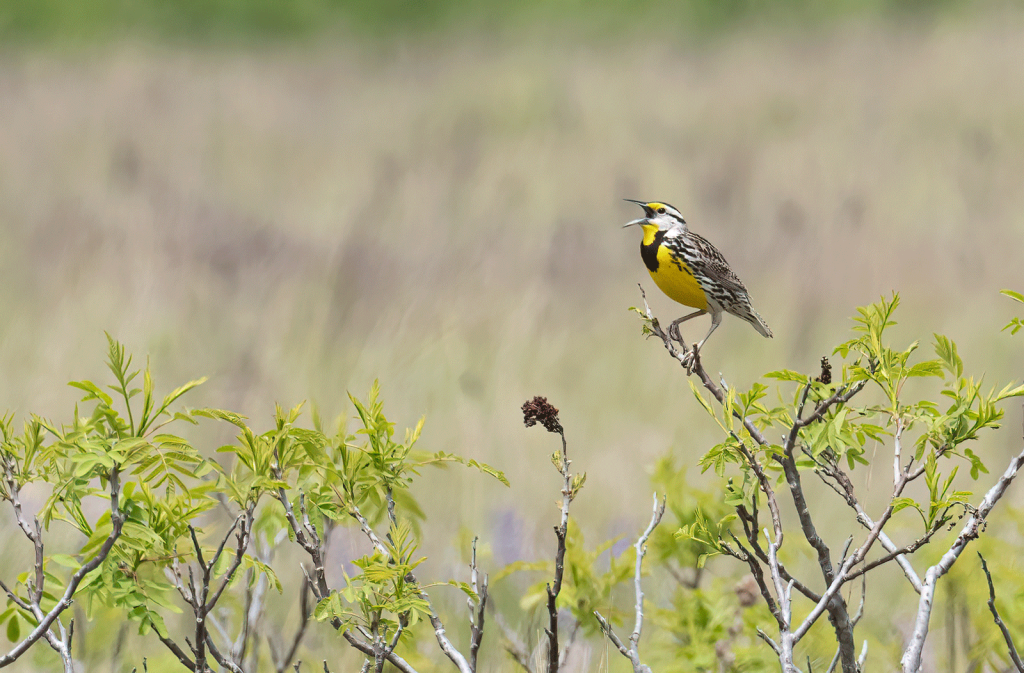
- Eastern meadowlark
- Dickcissel
- Grasshopper sparrow
These birds require open fields with a mix of grass heights and native flower species to forage, nest, and raise young.
Migratory Species
- American golden-plover
- Bobolink
- Swainson’s hawk
CRP fields act as refueling stations along major migratory flyways, offering rest and food in landscapes where those resources are increasingly scarce.
Best Practices for Bird-Friendly CRP Establishment
Creating quality bird habitat through CRP takes more than just planting a seed mix. Here are several practices that increase success:
Use Diverse Native Seed Mixes
A mixture of warm-season grasses and flowering forbs provides a variety of food sources and cover types. FDCE customizes seed mixes for pollinator support, erosion control, and bird habitat; ensuring each field supports a range of wildlife species.
Mow and Spray Strategically
Mowing or spraying during the primary nesting season (usually April 1 to August 1) can destroy nests and reduce habitat value. FDCE follows USDA mowing regulations and uses targeted, minimal-impact weed control practices to protect ground-nesting birds.
Consider Prescribed Burning
Periodic burns (where permitted) mimic natural prairie disturbance cycles. They rejuvenate native plants, reduce thatch buildup, and maintain plant diversity; essential for healthy bird habitat.
Implement Mid-Contract Management (MCM)
Mid-contract practices such as interseeding, strip disking, or light disking improve habitat structure. FDCE provides all technical and chemical components for MCM, ensuring fields remain attractive and functional for wildlife throughout the life of the CRP contract.
FDCE: Your Partner in Habitat Creation
At FDCE, we believe CRP should benefit more than just the soil; it should restore ecosystems. With our full-service solutions, we help landowners not only meet
compliance requirements but also leave a lasting conservation legacy. Whether your goal is upland game hunting, birdwatching, or improving biodiversity on your land, our team ishere to help.
Contact us today to learn how we can design and implement a CRP plan that brings birds back to your property, one acre at a time.