
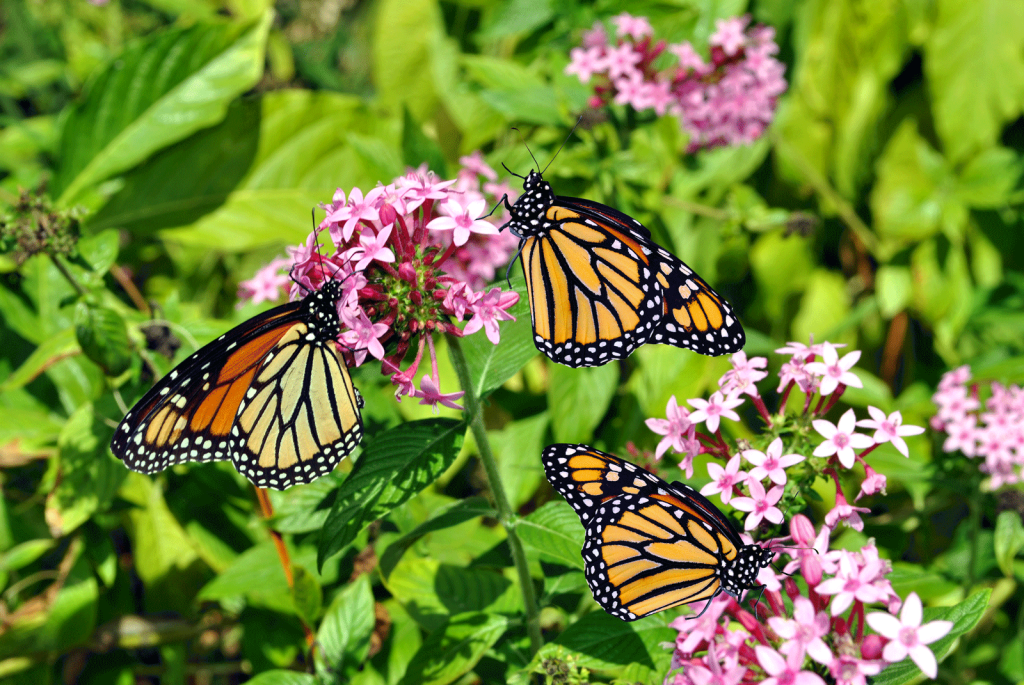
How Milkweed and Other Native Plants Provide Crucial Habitat for Monarchs
The iconic monarch butterfly, with its striking orange and black wings, is more than just a symbol of natural beauty; it’s a vital pollinator and an indicator of ecosystem health. Unfortunately, monarch populations have seen a dramatic decline over the last several decades due to habitat loss, pesticide use, and climate change.
The Conservation Reserve Program (CRP) plays a critical role in reversing this trend. By restoring native grasslands and reintroducing milkweed and other wildflowers to the landscape, CRP offers vital breeding and feeding grounds for monarchs and other pollinators. At FDCE, we help landowners create and maintain monarch-friendly CRP plantings that support both ecological goals and USDA program compliance.
Why Monarchs Need Our Help
Monarch butterflies undertake one of the most remarkable migrations in the animal kingdom, traveling thousands of miles between their breeding grounds in North America and overwintering sites in Mexico. However, this journey is under threat.
Key challenges facing monarchs include:
- Loss of milkweed, the only plant on which monarchs lay their eggs and the sole food source for their caterpillars
- Decline in nectar-producing native plants, which adult monarchs need to fuel their migration
- Reduction in habitat connectivity, which disrupts their life cycle
CRP fields planted with native species help bridge these habitat gaps and offer monarchs a safe place to feed, breed, and rest.
CRP and Monarch Conservation
CRP practices, especially those designed with pollinator habitat in mind, are among the most effective conservation tools for monarch recovery.
Key Ways CRP Supports Monarchs:
- Milkweed Integration: Many CRP seed mixes include milkweed species such as common milkweed (Asclepias syriaca), butterfly milkweed (Asclepias tuberosa), and swamp milkweed (Asclepias incarnata), providing crucial larval food sources.
- Diverse Forb Coverage: Native wildflowers in CRP mixes supply nectar throughout the growing season, supporting monarchs at all life stages and during migration.
- Reduced Pesticide Exposure: CRP fields typically avoid the intensive chemical use seen in crop production, providing a safer environment for pollinators.
- Strategic Location: CRP lands in key monarch breeding corridors, especially across the Midwest, are essential for rebuilding populations.
Best Practices for Monarch-Friendly CRP Plantings
At FDCE, we help landowners design CRP fields that benefit monarchs and other pollinators while meeting all USDA requirements. Here are a few ways to ensure your CRP field supports monarch conservation:
Choose a Pollinator-Specific CRP Practice
Options like CP-42 (Pollinator Habitat Initiative) are specifically designed to benefit species like the monarch butterfly. These practices include high forb content, milkweed species, and extended bloom periods.
Use Custom Seed Mixes
FDCE creates custom native seed mixes that are tailored to your land’s conditions and conservation goals. For monarchs, we ensure the inclusion of multiple milkweed species and flowering plants that bloom from spring to fall.
Time Mowing and Management Activities Carefully
Avoid mowing or herbicide application during the peak monarch breeding and migration periods (typically May through September). FDCE follows USDA guidelines to balance weed control with pollinator protection.
Implement Mid-Contract Management (MCM)
MCM activities like interseeding or strip disking can rejuvenate plantings and improve bloom diversity. FDCE offers all the technical and chemical services needed to carry out effective MCM practices.
Partnering with FDCE for Pollinator Success
Creating and managing a monarch-friendly CRP field requires thoughtful planning, expert seed selection, and ongoing care. With over 400,000 acres of experience, FDCE delivers turn-key services to ensure your CRP planting thrives; not just for compliance, but for conservation. Whether your goal is to support pollinators, improve biodiversity, or leave a legacy of stewardship, FDCE is here to help.
Contact us today to learn how we can help you create habitat that supports monarch butterflies and makes a lasting environmental impact.