
The Role of Conservation Land in Preserving Biodiversity and Supporting Threatened Wildlife
As habitat loss and fragmentation continue to threaten biodiversity across the United States, the Conservation Reserve Program (CRP) stands as a critical line of defense for many endangered and at-risk species. By converting marginal agricultural land into ecologically valuable habitat, CRP not only benefits soil and water health, it also plays a vital role in preserving native wildlife populations that are struggling to survive.
At FDCE, we work alongside landowners to implement CRP projects that go beyond compliance. Our goal is to create habitat that supports a wide range of species, including those most in need of protection.
Why At-Risk Species Need CRP
Many at-risk and endangered species, such as grassland birds, pollinators, amphibians, and certain mammals, depend on specific habitat conditions that have been lost due to development and intensive agriculture. CRP helps restore these habitats by:
- Providing native grassland and wetland cover
- Improving connectivity between fragmented landscapes
- Reducing pesticide exposure and agricultural disturbance
- Supporting native plant diversity that attracts a range of wildlife
In essence, CRP lands act as safe havens, giving these species a chance to rebound.
Key Species That Benefit from CRP Land
The type of CRP practice implemented; whether focused on pollinators, wetlands, buffers, or general grassland restoration, can directly support various species, including:
- Grassland and Prairie Birds
- Northern bobwhite
- Greater prairie-chicken
- Henslow’s sparrow
- Eastern meadowlark
These species rely on native vegetation for nesting, foraging, and brood-rearing; habitat that CRP practices can provide.
Pollinators and Insects
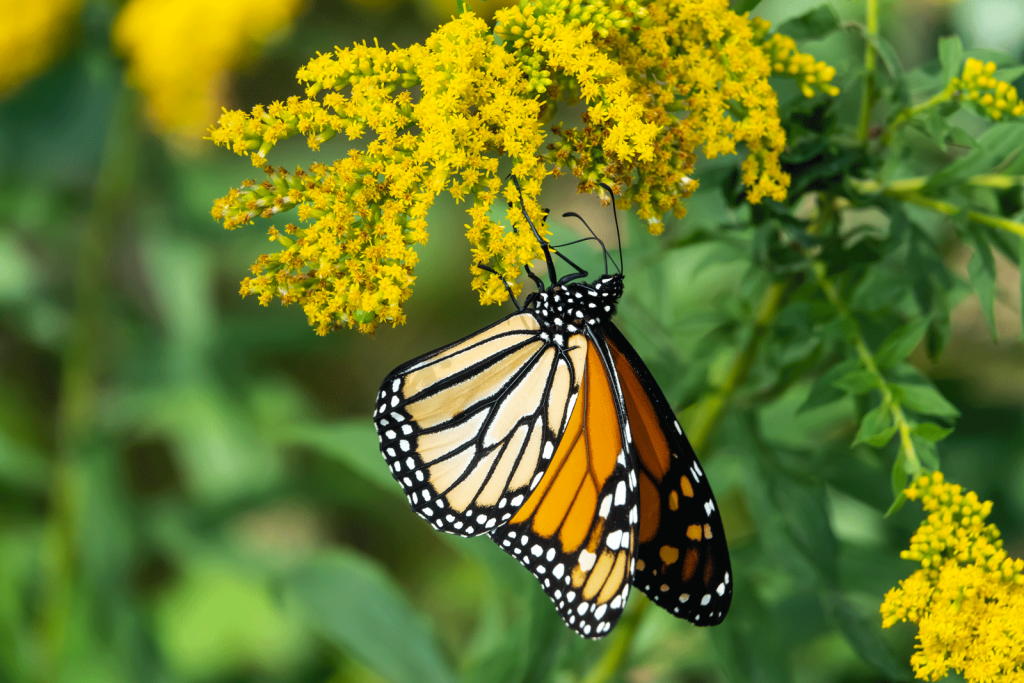
- Monarch butterfly
- Rusty patched bumble bee (federally endangered)
CRP seed mixes that include milkweed and a diversity of native wildflowers support essential pollinator habitat across critical migratory and breeding corridors.
Amphibians and Reptiles
- Northern cricket frog
- Blanding’s turtle
Wetland buffers and riparian CRP practices improve water quality and create refuges for these sensitive species.
Mammals
- Plains pocket gopher
- Swift fox
While often overlooked, these smaller mammals benefit greatly from open, undisturbed native vegetation.
CRP Practices That Prioritize Biodiversity
Certain CRP practices are specifically designed to support wildlife and at-risk species. FDCE works with landowners to identify the best fit for their land and conservation goals. These include:
- CP-42 (Pollinator Habitat Initiative): High forb content and bloom diversity for pollinators and insects.
- CP-23 (Wetland Restoration): Supports amphibians, reptiles, and waterfowl.
- CP-33 (Habitat Buffers for Upland Birds): Helps protect field edges and provide cover for quail and other birds.
CREP (Conservation Reserve Enhancement Program): State- and region-specific projects that target local conservation priorities, including endangered species recovery.
How FDCE Enhances CRP for Wildlife Success
FDCE provides full-service solutions to ensure CRP plantings meet both USDA requirements and ecological goals. Our team supports biodiversity by:
- Creating custom native seed mixes tailored to local species and conservation objectives
- Implementing strategic site preparation for optimal plant establishment
- Providing technical, mechanical and chemical services for CRP mid-contract management (including spraying and interseeding)
- Ensuring long-term success through habitat monitoring and management support
With over 400,000 acres of experience, FDCE is committed to helping landowners build thriving habitats that benefit endangered species and the environment.
Make a Lasting Impact with Your CRP Land
Participating in CRP is more than a conservation commitment, it’s a chance to be part of something bigger. By creating space for at-risk wildlife, you contribute to national efforts to preserve biodiversity and restore the natural balance of our ecosystems.
Contact FDCE today to learn how your CRP project can make a difference for endangered species and future generations.