The Hidden Risks of Unmanaged Vegetation at Solar Farms
Solar vegetation does more than improve the appearance of a site. It plays an essential role in protecting equipment, maintaining accessibility, and supporting long-term system performance. Without a proactive vegetation management plan, routine plant growth can quickly become a costly operational challenge.
Unmanaged vegetation can lead to a variety of issues that affect safety, efficiency, and maintenance costs. Understanding these risks is the first step toward developing a strategy that keeps solar sites operating at their best.
Shading Can Reduce Energy Production
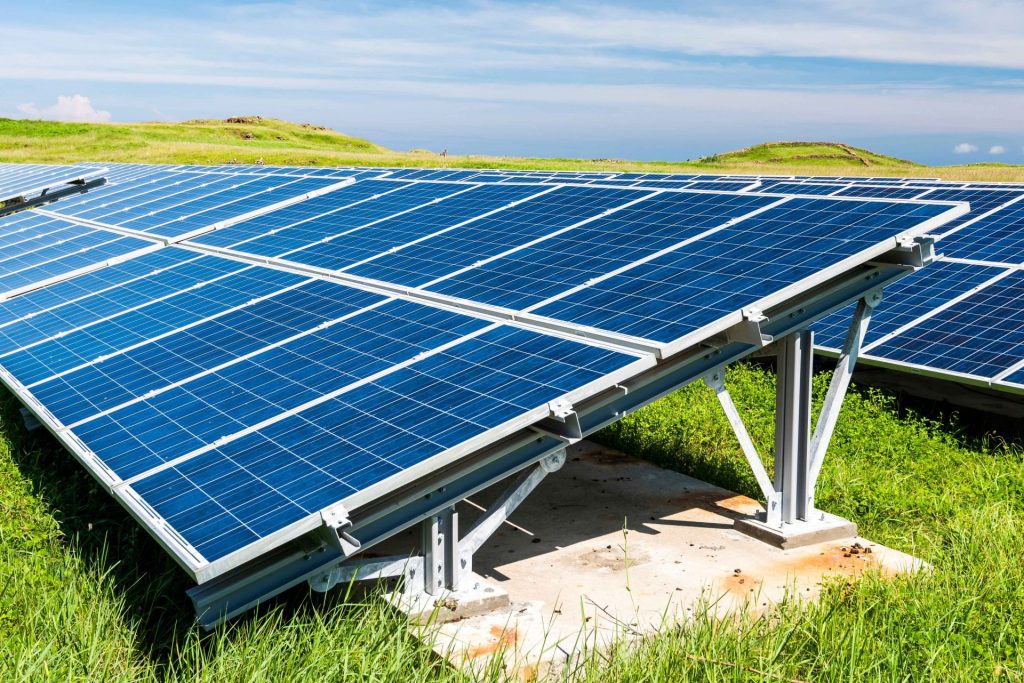
Even small amounts of vegetation growing too close to solar panels can have a noticeable impact on performance. As grasses, weeds, and woody plants mature, they may cast shadows on panels during key parts of the day, reducing energy output.
Proper vegetation management helps:
- Maintain adequate clearance beneath and around panels
- Prevent overgrowth throughout the growing season
- Support consistent energy production
- Reduce the need for emergency maintenance
Routine monitoring and timely maintenance help prevent vegetation from becoming a performance issue.
Overgrown Vegetation Can Increase Fire Risk
Dry grasses and accumulated plant material can become fuel during periods of hot, dry weather. If vegetation is allowed to grow unchecked around electrical equipment or beneath solar arrays, the potential fire risk increases.
Routine Maintenance
Strategic mowing and targeted vegetation control reduce excess fuel loads while maintaining healthy plant communities.
Managing Problem Areas
Regular inspections can identify areas where vegetation is becoming too dense or where dead plant material should be removed before conditions become hazardous.
A consistent maintenance program helps reduce risk while supporting a safer operating environment.
Vegetation Can Damage Site Infrastructure
Solar sites are designed for long-term operation, but unmanaged vegetation can interfere with equipment and infrastructure over time.
Potential issues include:
- Plants blocking access roads and maintenance routes
- Woody vegetation growing around fencing or support structures
- Roots interfering with drainage features
- Increased wear on equipment during maintenance operations
Keeping vegetation under control helps protect infrastructure while making routine inspections and repairs more efficient.
Poor Vegetation Management Can Create Drainage Problems
Healthy vegetation supports effective stormwater management, but unmanaged growth can have the opposite effect.
Blocked Drainage Features
Dense vegetation may obstruct ditches, culverts, or other drainage systems, reducing their ability to move water away from critical areas.
Uneven Water Flow
When vegetation is inconsistent across a site, runoff patterns can change, contributing to erosion or standing water in low-lying areas.
Soil Stability
Properly maintained vegetation helps stabilize soil and promote water infiltration, reducing the likelihood of erosion during heavy rain events.
Small Problems Can Become Expensive Repairs
Vegetation issues rarely develop overnight. Minor concerns that go unnoticed can become much larger problems if they are not addressed promptly.
Regular site evaluations allow project teams to identify:
- Areas where vegetation is growing faster than expected
- Invasive species before they spread
- Drainage concerns following major storms
- Sections that require mowing, weed control, or reseeding
Taking corrective action early often reduces maintenance costs and helps avoid more extensive repairs later.
A Proactive Approach Delivers Long-Term Value
The most successful vegetation management programs are proactive rather than reactive. Combining routine inspections with strategic mowing, targeted weed control, and ongoing monitoring helps maintain healthy vegetation while protecting the performance of the solar site.
Every project is different, and vegetation plans should reflect each site’s terrain, plant community, operational goals, and environmental conditions.
Protecting Your Solar Investment
Unmanaged vegetation can affect much more than a site’s appearance. From shading and fire hazards to equipment damage and drainage issues, allowing vegetation to grow unchecked can impact both performance and long-term costs.
FDCE works with solar developers and site owners to implement vegetation management programs that support safe, efficient, and sustainable operations. With the right strategy in place, vegetation becomes an asset that protects infrastructure, supports environmental goals, and helps maximize the long-term value of every solar project.