
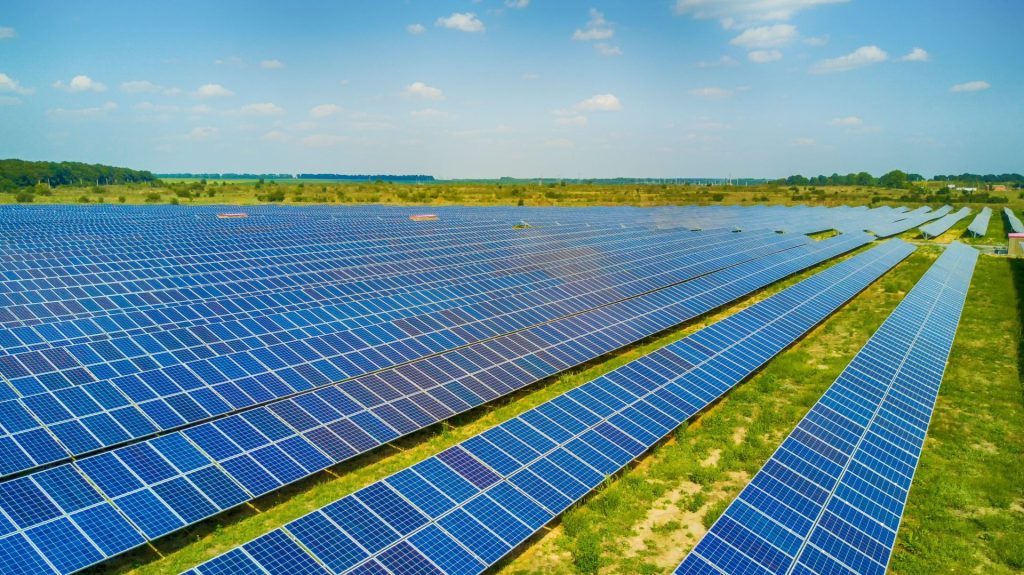
Managing vegetation across more than 400,000 acres provides a unique perspective on what makes large-scale solar vegetation programs successful. No two sites are exactly alike. Soil conditions, climate, construction schedules, weed pressure, terrain, and project requirements can vary significantly from one location to another.
Through nationwide experience, FDCE has learned that successful solar vegetation management depends on much more than planting seed and scheduling routine mowing. It requires careful planning, adaptability, consistent monitoring, and an understanding of how vegetation changes throughout the life of a project.
Start with the Conditions on the Ground
A vegetation plan should reflect the actual conditions of the site rather than relying on a standardized approach for every project.
Before establishment begins, important considerations include:
- Soil type and existing soil conditions
- Regional climate and expected rainfall
- Existing vegetation and weed pressure
- Terrain, slopes, and drainage patterns
- Construction disturbance
- Access requirements and solar infrastructure
- Project-specific vegetation and environmental goals
Understanding these factors early helps determine the appropriate seed mix, site preparation strategy, planting method, and maintenance plan.
Establishment Takes Time
One of the most important lessons from managing large acreages is that vegetation establishment is a process, not a single event.
The First Season Does Not Tell the Whole Story
Native grasses and forbs establish at different rates. Some species may emerge quickly, while others spend significant time developing root systems before becoming highly visible above ground.
Weather Can Change the Timeline
Rainfall, temperature, drought, and other seasonal conditions can accelerate or delay establishment. Management plans need enough flexibility to respond to what is actually happening in the field.
Early Management Matters
The establishment period is when targeted mowing, weed control, and other interventions can have an outsized impact on long-term vegetation performance.
Weed Pressure Is Easier to Manage Early
Weeds are a normal challenge on disturbed ground, particularly following solar construction. The key is identifying problematic species and responding before they become established across large areas.
Early intervention can help:
- Prevent invasive plants from producing and spreading seed
- Reduce competition with desirable vegetation
- Limit the need for larger corrective treatments
- Protect the investment made in site preparation and seeding
Not every weed requires the same response. Effective management considers the species present, its growth stage, the surrounding vegetation, and the long-term goals for the site.
Consistency Requires Adaptability
Managing projects across different regions reinforces an important principle: consistency does not mean treating every site the same.
Regional Differences Matter
A vegetation strategy that performs well in one state may not be appropriate somewhere with different soils, precipitation patterns, or growing seasons.
Site Conditions Change
Vegetation management plans must also account for changes within individual sites. Low areas, slopes, compacted sections, and disturbed areas may perform differently even when they were planted at the same time.
Management Should Respond to Results
Regular field observations allow teams to adjust mowing, herbicide applications, reseeding, and other practices based on actual vegetation performance.
A consistent process combined with site-specific decision-making creates better results than a rigid maintenance schedule.
Monitoring Helps Prevent Larger Problems
Large-scale experience has also demonstrated the value of routine site monitoring. Vegetation problems are generally easier and less expensive to address when they are identified early.
Regular inspections can reveal:
- Thin or uneven vegetation coverage
- Emerging invasive species
- Erosion or drainage concerns
- Vegetation approaching sensitive infrastructure
- Areas affected by construction or maintenance traffic
- Sections that may require reseeding or targeted treatment
Documenting these conditions over time also provides valuable information for evaluating performance and planning future work.
Long-Term Performance Begins During Establishment
Vegetation decisions made during construction and initial establishment can influence maintenance requirements for years.
Poor seedbed preparation, inappropriate seed selection, inconsistent planting, or delayed weed management can create problems that require repeated intervention. Conversely, investing in strong establishment practices can help create a stable plant community that is easier and more efficient to manage over time.
The objective is not simply to make a site look maintained during its first season. It is to establish vegetation capable of supporting the operational and environmental needs of the project throughout its lifespan.
Applying Nationwide Experience to Every Site
Managing more than 400,000 acres has reinforced that successful solar vegetation management comes from combining proven processes with the ability to adapt. Careful planning, appropriate establishment methods, early weed control, regular monitoring, and responsive maintenance all contribute to stronger long-term outcomes.
FDCE brings lessons learned from large-scale projects across the country to each new site. By applying that experience while accounting for local conditions, FDCE helps solar developers and asset owners build vegetation programs that support reliable site performance, efficient maintenance, and healthy landscapes for the long term.
Put FDCE’s nationwide vegetation management experience to work on your next solar project. Contact our team to discuss a strategy built around your site’s specific conditions and long-term goals.