Environmental Conservation

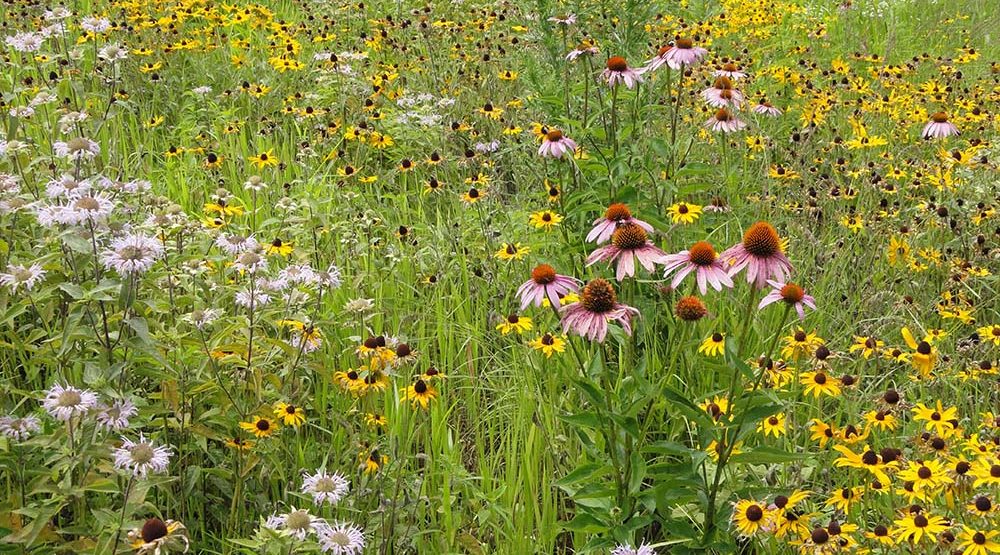
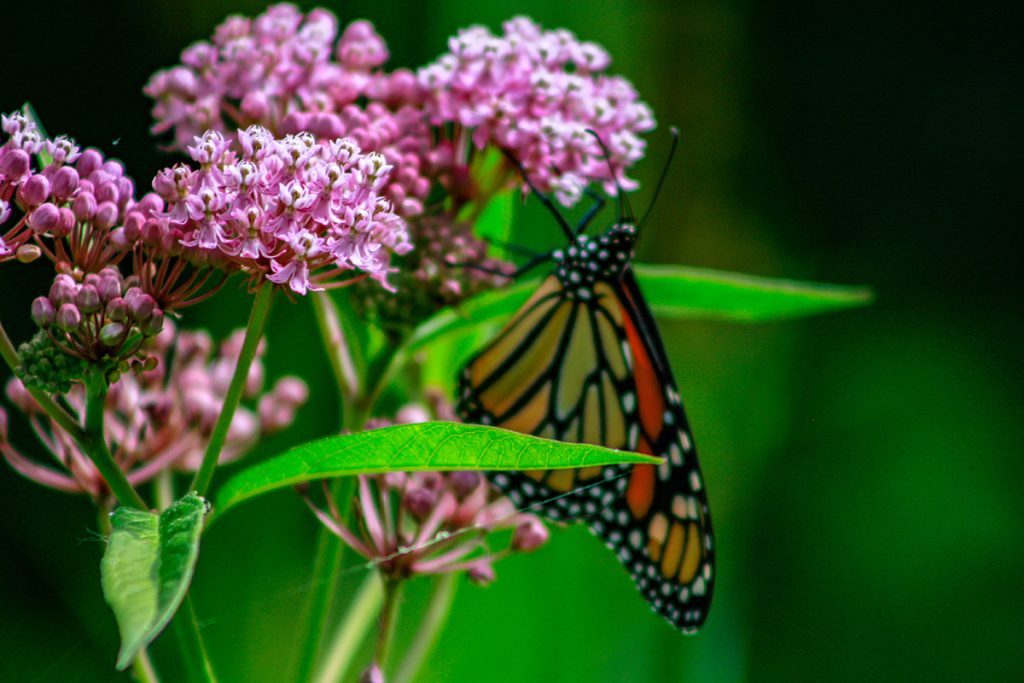
CRP Land Wildflowers

CRP Signup Starts Feb. 27th – April 7th 2023

Agriculture Secretary Tom Vilsack announced recently that agricultural producers and private landowners can begin applying for the Conservation Reserve Program (CRP) General signup starting February 27 through April 7, 2023. What is the CRP? The Conservation Reserve Program (CRP) is a voluntary program offered by the U.S. Department of Agriculture (USDA) that helps agricultural producers […]

CRP Signup Starts Feb. 27th – April 7th 2023 Read More »

What is an Environmental Benefit Index EBI Score CRP

What is an Environmental Benefit Index (EBI) Score?

When entering a bid for General Conservation Reserve Program (CRP), eligible land is evaluated based on the Environmental Benefit Index (EBI). This comprehensive ranking system is used to measure the overall environmental benefits of your proposed CRP project. Each CRP submission is ranked with an EBI score by the FSA and compared to other applicants […]

What is an Environmental Benefit Index (EBI) Score? Read More »

FDCE Awarded USDA Funding for RCPP

FDCE Awarded USDA Funding Through the Regional Conservation Partnership Program (RCPP)

The USDA recently announced a $197 million investment in local conservation projects through the partner-driven Regional Conservation Partnership Program (RCPP). We’re proud to announce that FDCE was one of the recipients of this award and can’t wait to get started with our RCPP project. With the goal of advancing new, innovative conservation projects including efforts […]

FDCE Awarded USDA Funding Through the Regional Conservation Partnership Program (RCPP) Read More »

CRP Practices for Carbon Sequestration

CRP Practices to Reduce Greenhouse Gas Emissions

The environmental benefits of the Conservation Reserve Program (CRP) are vast, but one of the most impactful is the reduction of greenhouse gas (GHG) emissions. Through CRP practices, 30 million metric tons of CO2 were removed from the atmosphere in 2020, the equivalent of removing 6 million cars from the road. While all CRP practices […]

CRP Practices to Reduce Greenhouse Gas Emissions Read More »

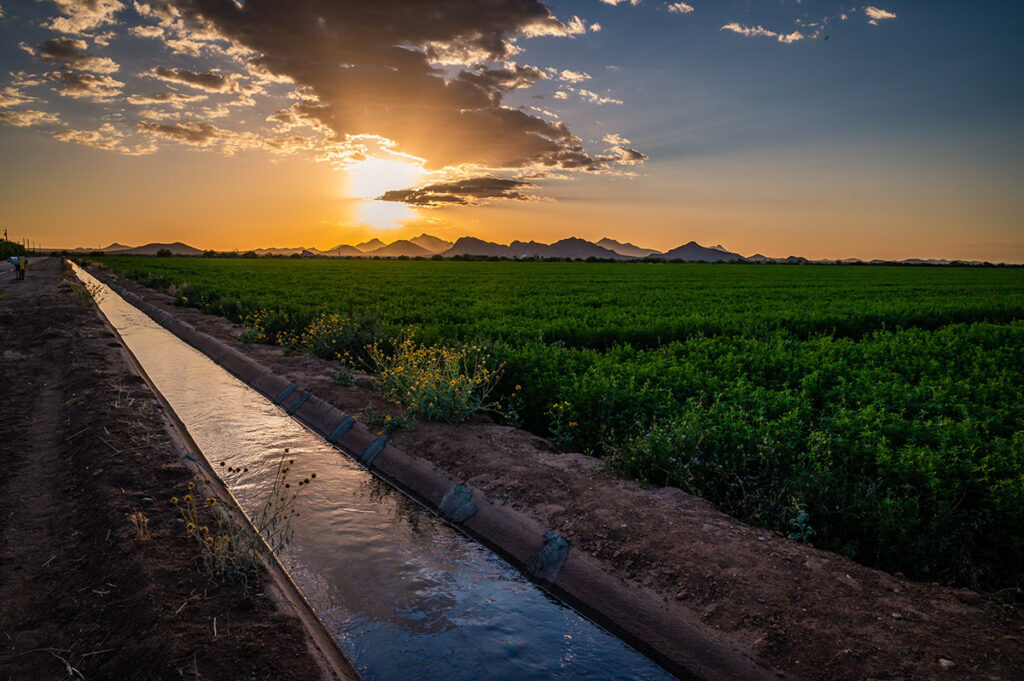
farm at sunset - rules for maintaining your crp land - conservation reserve project

Rules for Maintaining Your CRP Acres

Establishing your Conservation Reserve Program (CRP) project on your eligible farmland is the first step in taking advantage of the extensive benefits associated with the program. There are a number of eligibility requirements you and your land must meet in order to participate in CRP, but once the initial phase of planting and growing has […]

Rules for Maintaining Your CRP Acres Read More »

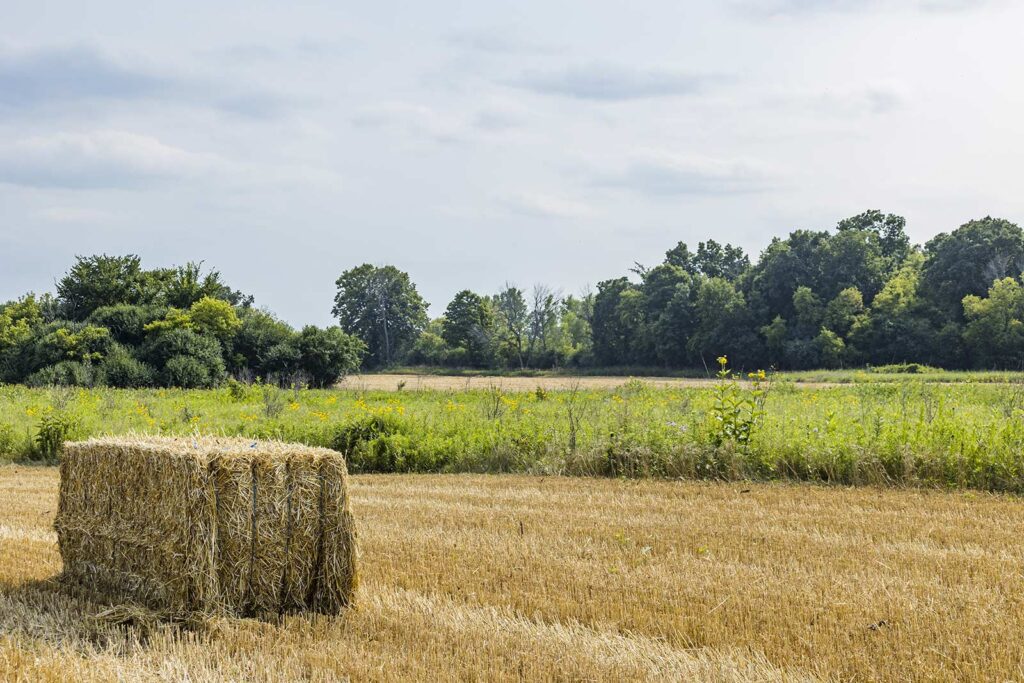
prairie buffer strip in wheat field prairie strip benefits crp cp-43

Why Choose Prairie Strips Over Traditional Strip Designs?

When beginning your contract with the Conservation Reserve Program (CRP), you may have questions regarding which types of farming practices are best suited for maximizing the benefits of the program. Through the Clean Lakes, Estuaries and Rivers (CLEAR) Initiative established by the CRP, CP-43 Prairie Strips is a new project designed to assist you with […]

Why Choose Prairie Strips Over Traditional Strip Designs? Read More »

CRP Water Conservation Testing

What is CRP doing for your water?

One of the most important benefits of the Conservation Reserve Program (CRP) is the improvement of water quality in farmlands participating in the program. While traditional agricultural practices can damage our country’s water supply by the use of pesticides and other harmful chemicals, CRP has been shown to improve water quality through numerous research and […]

What is CRP doing for your water? Read More »