
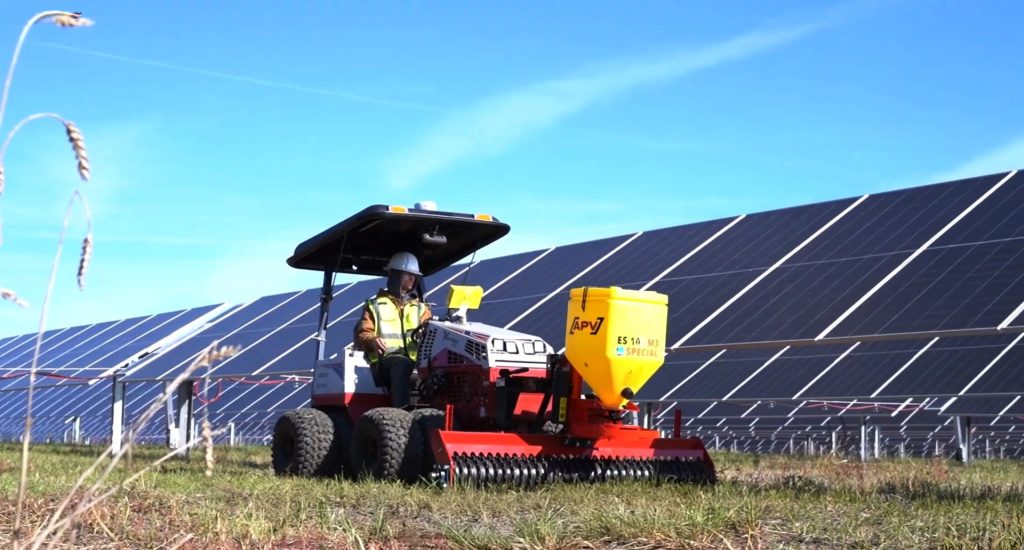
Establishing vegetation on a solar site is about more than aesthetics. It plays a critical role in erosion control, stormwater management, pollinator support, and long-term site performance. A successful outcome requires careful planning, precise execution, and ongoing management.
From initial site preparation to long-term maintenance, each phase builds on the last. Here is a step-by-step look at how solar vegetation moves from bare soil to a fully established, thriving landscape.
Site Preparation: Building the Foundation
Before any seed goes into the ground, proper site preparation sets the stage for success. Skipping or rushing this step often leads to poor establishment, weed pressure, and costly rework.
Key site preparation activities include:
- Vegetation removal: Eliminating existing weeds and invasive species to reduce competition
- Soil testing: Understanding nutrient levels, pH, and soil composition to guide amendments
- Grading and stabilization: Ensuring proper drainage and minimizing erosion risks
- Seedbed preparation: Creating optimal seed-to-soil contact through tilling or no-till methods
A well-prepared site provides the conditions needed for consistent germination and long-term vegetation health.
Seed Selection and Seeding Strategies
Choosing the right seed mix is essential for solar sites, where vegetation must coexist with infrastructure while meeting environmental and regulatory goals.
Native Seed Mix Design
Native grasses and forbs are commonly selected for their adaptability, deep root systems, and ecological benefits. Pollinator-friendly mixes are often prioritized to support biodiversity and meet sustainability objectives.
Seeding Methods
Different sites require different approaches depending on soil conditions, slope, and project timeline. Common methods include drill seeding for precision placement across larger or more complex areas and hydro seeding for sensitive areas like drainage basins and highly erodible sloped locations.
Timing Considerations
Seeding windows are critical. Planting at the right time of year improves germination rates and helps vegetation establish before seasonal stressors like drought or extreme temperatures.
Germination and Early Establishment
Once seeding is complete, the focus shifts to germination and early growth. This phase is highly sensitive and requires close monitoring to ensure vegetation establishes evenly across the site.
Moisture is one of the most important factors during this stage. Adequate rainfall or supplemental water supports seed activation and root development. At the same time, minimizing disturbance is key to protecting young seedlings.
Weed control also plays a major role early on. Without proper management, invasive species can quickly outcompete desirable vegetation, reducing stand quality and requiring corrective action.
Managing Early Growth
After germination, vegetation begins to establish itself, but it is not yet fully resilient. This stage requires targeted management to guide growth and maintain balance across the site.
- Mowing practices: Strategic mowing helps control weeds while allowing native species to develop
- Spot treatments: Selective herbicide applications may be used to manage persistent invasive species
- Monitoring progress: Regular inspections ensure even coverage and identify problem areas early
Early management helps set the trajectory for long-term success and reduces the need for intensive intervention later.
Long-Term Maintenance for Solar Performance
Once vegetation is established, ongoing maintenance ensures the site continues to perform as intended. This is especially important for solar installations, where vegetation must remain compatible with equipment and access requirements.
Long-term maintenance strategies typically include:
- Routine mowing schedules to maintain appropriate height and visibility
- Invasive species control to preserve native plant dominance
- Soil health management to support sustained growth and resilience
- Adaptive management plans that respond to site-specific conditions over time
Proper maintenance not only protects the vegetation investment but also supports operational efficiency and environmental goals.
Supporting a Successful Solar Landscape
Vegetation establishment is not a one-time task. It is a process that requires expertise, planning, and ongoing attention. Each phase, from preparation to maintenance, plays a critical role in achieving a stable, functional, and sustainable site.
With the right approach, solar vegetation can deliver long-term benefits including improved site performance, reduced maintenance costs, and enhanced ecological value. FDCE works with developers and EPCs to implement tailored vegetation strategies that support both operational and environmental success.