
Comparing Soil Health, Erosion Control, Maintenance Costs, and Long-Term Sustainability
As utility-scale solar development continues to expand, so does the need for smart vegetation strategies. What grows under and around solar panels matters—for compliance, maintenance, and environmental impact. Two common options used in solar vegetation management are temporary seed mixes and permanent native mixes, but the differences between them can have lasting implications.
At FDCE, we help developers and contractors make informed decisions about vegetation planning. Understanding when to use temporary seed vs. permanent mixes is key to controlling erosion, improving soil health, reducing maintenance costs, and achieving long-term sustainability goals.
What Are Temporary Seed Mixes?
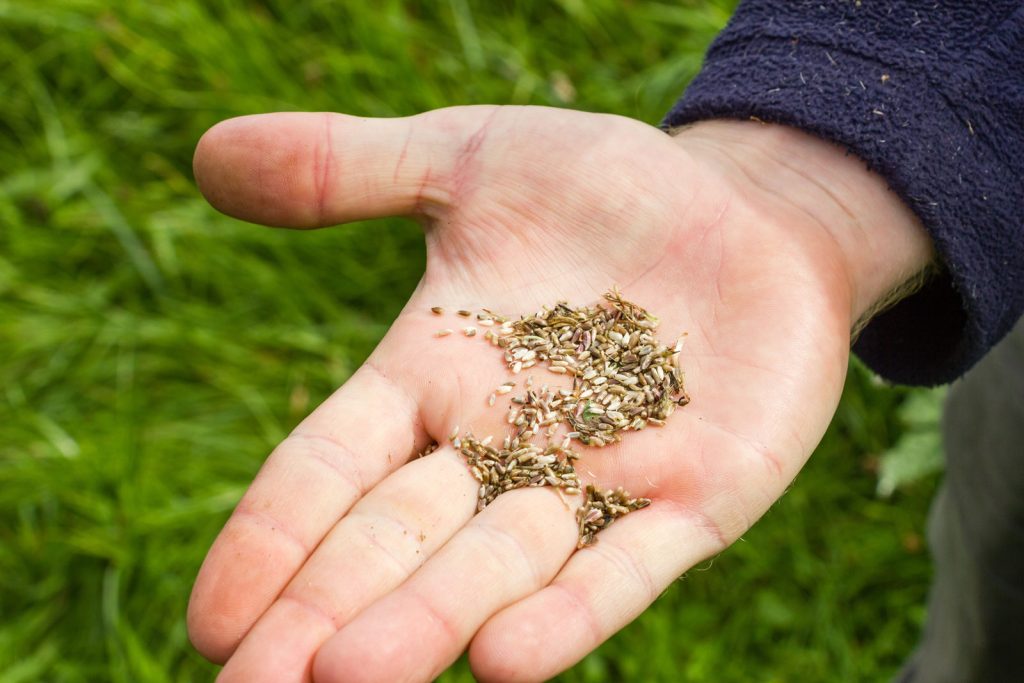
Temporary seed mixes are fast-growing cover crops, often made up of annual grasses or cereals such as rye, oats, or millet. These are used to quickly establish vegetative cover after grading or site disturbance.
Key Purposes:
- Rapid erosion control prior to and during construction
- Dust and sediment suppression
- Site stabilization during construction delays or phased builds
Temporary mixes are typically short-lived and not intended for permanent groundcover. Their fast growth provides short-term benefits, but they lack the long-term ecological function of permanent native vegetation.
What Are Permanent Native Mixes?
Permanent mixes are typically composed of native warm-season grasses, forbs, and pollinator-friendly plants. These species are slower to establish but offer significant long-term benefits, especially under solar panels.
Benefits Include:
- Improved soil structure and long-term erosion control
- Support for pollinators and local wildlife
- Lower long-term maintenance once established
- Greater resilience to drought, pests, and invasive species
FDCE specializes in designing custom permanent mixes that align with project goals, soil conditions, and ecological requirements.
Comparing Temporary vs. Permanent Mixes Under Solar Arrays
| Criteria | Temporary Seed Mixes | Permanent Native Mixes |
| Speed of Establishment | Fast (within weeks) | Slower (up to 2 growing seasons) |
| Erosion Control | Immediate but short-lived | Gradual, long-term protection |
| Soil Health | Limited improvement | Enhances soil biology, structure, and nutrients |
| Pollinator Value | Low | High (especially with native forbs) |
| Maintenance Costs | Lower short-term, higher long-term (requires reseeding, mowing) | Higher up front, lower long-term |
| Lifespan | One season | 10+ years with proper management |
What’s Best Under Solar Arrays?
Choosing between temporary seed vs. permanent mixes depends on timing, budget, and long-term site objectives. However, under solar arrays, permanent native mixes are often the preferred solution due to their sustainability, low maintenance requirements, and environmental benefits.
Permanent Mixes Are Ideal When:
- The goal is long-term groundcover with minimal upkeep
- The project has pollinator or habitat goals
- Soil erosion is a recurring concern
- There’s a commitment to site sustainability and ecological compliance
Temporary mixes are best used as an interim solution during or between construction phases. In many cases, FDCE recommends using temporary seed initially for stabilization, followed by transition to a permanent mix as part of a comprehensive solar vegetation strategy.
FDCE’s Expertise in Solar Vegetation
FDCE has extensive experience working with solar developers across the country to implement effective vegetation strategies. We offer:
- Custom seed mix design for solar projects
- Temporary seeding services for pre-construction stabilization
- Permanent native planting and management
- Operations and maintenance support, including tilling, spraying, and interseeding
Our holistic approach helps reduce erosion, improve soil health, meet compliance requirements, and minimize long-term maintenance costs.
Make the Right Choice for Your Solar Site
Whether you need rapid stabilization or are planning for decades of solar operation, FDCE can help you select the right seed strategy. Let’s work together to build a foundation that’s not only functional, but sustainable.
Contact FDCE today to learn more about our solar vegetation solutions and custom seed mixes.