
Why a One-Size-Fits-All Approach Fails and How Tailored Mixes Improve Success
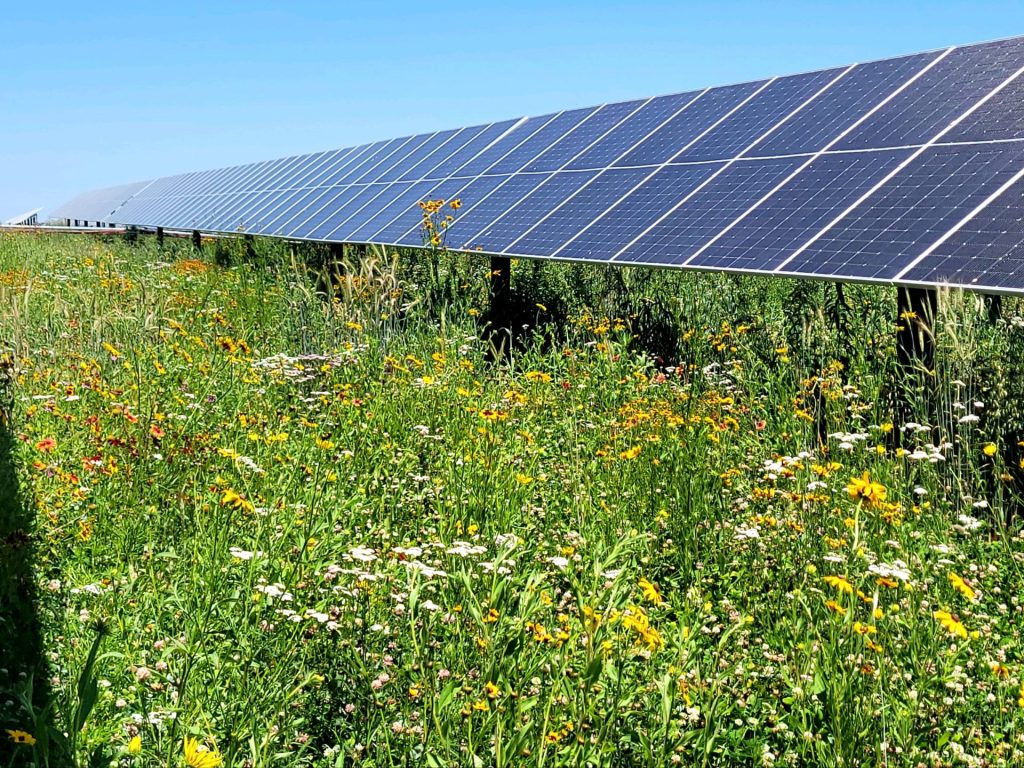
As utility-scale solar development continues to expand, so does the need for effective vegetation strategies beneath and around solar arrays. While it may be tempting to rely on a standard seed blend across multiple projects, a one-size-fits-all approach rarely delivers the best results. Each solar site has unique conditions, and the vegetation plan must reflect those differences.
At FDCE, we design custom seed mixes that account for the specific characteristics of each project. By focusing on tailored planting strategies, developers and EPCs can improve establishment success, reduce long-term maintenance, and promote healthy ecosystems that support both project performance and environmental goals.
Why Solar Sites Require a Customized Approach
Every solar project site is different. Factors such as soil type, climate, drainage patterns, and construction disturbance can all influence how vegetation establishes and grows. Using a generic seed mix may overlook these important variables, leading to poor germination, increased weed pressure, and higher maintenance costs.
A successful solar site vegetation strategy must consider several key elements:
- Soil type and fertility
- Regional climate and rainfall patterns
- Construction and grading impacts
- Erosion risk and stormwater requirements
- Long-term maintenance expectations
Designing a seed mix that matches these conditions helps ensure vegetation establishes properly and performs well throughout the life of the project.
The Limitations of One-Size-Fits-All Seed Mixes
Standard seed blends may seem convenient, but they often fall short when applied across multiple solar sites. Some of the most common challenges include:
Poor establishment
Species that thrive in one region may struggle in another due to soil conditions or climate differences.
Higher maintenance requirements
Non-adapted species may require more mowing, herbicide treatment, or reseeding to remain viable.
Limited ecological value
Generic mixes often lack plant diversity, which reduces habitat benefits and long-term stability.
Increased erosion risks
If the selected plants do not establish dense root systems suited to the soil conditions, erosion control may suffer.
These challenges highlight the importance of tailored planting strategies designed specifically for each site.
How Custom Seed Mixes Improve Solar Site Success
A well-designed seed mix does more than simply cover the ground. It creates a resilient plant community that stabilizes soil, supports pollinators, and reduces long-term maintenance needs.
Improved Erosion Control
Selecting species with strong root systems suited to local soils helps stabilize disturbed ground and minimize sediment runoff. This is especially important for large solar sites where stormwater management is a priority.
Better Long-Term Vegetation Performance
Native and regionally adapted species tend to establish more successfully and persist longer, reducing the need for reseeding or intensive management.
Enhanced Soil Health
Diverse plant communities contribute organic matter, improve soil structure, and support beneficial microbial activity, helping maintain healthy soils beneath solar arrays.
Increased Biodiversity
By incorporating a variety of grasses and flowering plants, custom seed mixes can promote biodiversity while also supporting pollinators and beneficial insects. This added ecological value is becoming an important goal for many solar developers.
FDCE’s Approach to Tailored Solar Vegetation
At FDCE, we understand that every solar project has unique requirements. Our approach to solar site vegetation focuses on evaluating site conditions and designing mixes that align with both environmental goals and operational needs.
Our process includes:
- Evaluating soil conditions and site disturbance levels
- Selecting regionally appropriate grasses and forbs
- Designing custom seed mixes that promote strong establishment
- Implementing tailored planting strategies suited to construction schedules and site conditions
This careful planning ensures that vegetation performs reliably while supporting long-term sustainability across the solar project.
Building Stronger Solar Sites from the Ground Up
Solar developers are increasingly recognizing that thoughtful vegetation planning can have a major impact on project performance and longevity. Investing in custom seed mixes and tailored planting strategies helps ensure that solar sites remain stable, resilient, and environmentally responsible for decades to come.
FDCE works with developers to create vegetation solutions that support soil stability, improve biodiversity, and reduce maintenance challenges. By designing the right mix for every site, we help solar projects succeed from the ground up.
If you are planning vegetation strategies for a solar project, contact FDCE to learn how customized seed mixes can help your site establish stronger and perform better over the long term.