
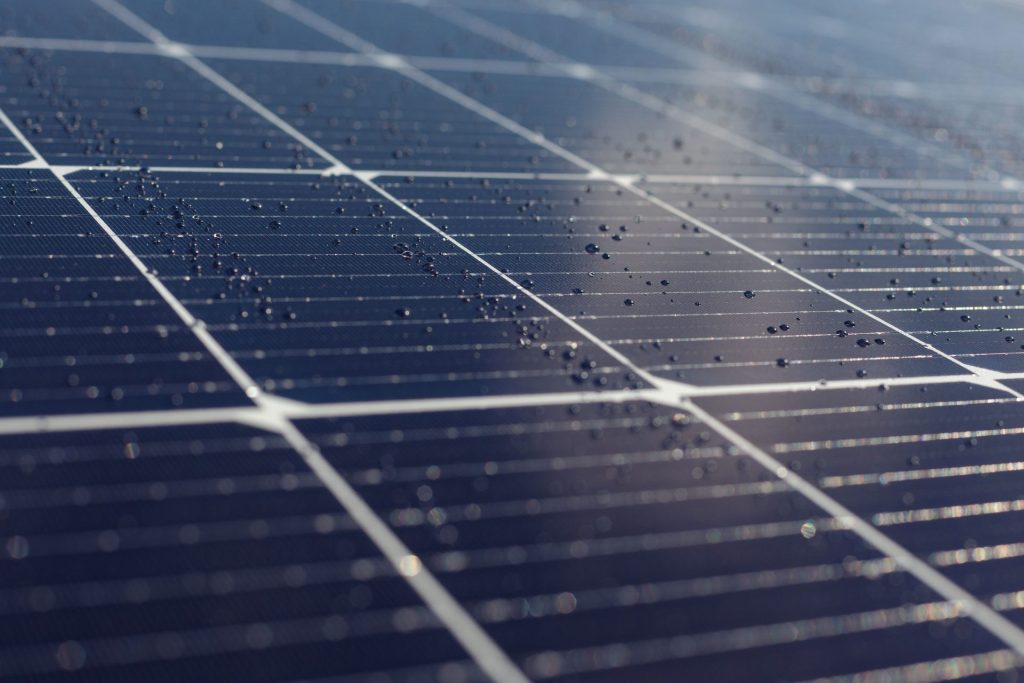
Solar developments are designed to generate reliable, long-term energy, but their success also depends on what happens at ground level. Without proper vegetation management, exposed soil can become vulnerable to erosion, poor stormwater control, and costly maintenance issues that impact both the site and surrounding environment.
Establishing and maintaining healthy vegetation is one of the most effective ways to protect solar infrastructure. From improving soil stability to supporting regulatory compliance, a well-designed vegetation plan provides lasting benefits throughout the life of a solar project.
Why Erosion Control Matters
Soil erosion is more than an aesthetic concern. Heavy rainfall and runoff can wash away topsoil, expose underground infrastructure, and create uneven terrain that complicates maintenance activities.
Uncontrolled erosion may also lead to:
- Sediment entering nearby waterways
- Damage to access roads and drainage systems
- Increased maintenance and repair costs
- Reduced effectiveness of stormwater management practices
- Greater risk of regulatory violations
Addressing erosion early helps protect both the investment and the surrounding environment.
The Role of Vegetation in Soil Stability
Root Systems Hold Soil in Place
Native grasses develop deep, extensive root systems that anchor soil and reduce the likelihood of erosion during heavy rain events. These roots create a more stable surface that resists runoff and soil movement.
Surface Coverage Reduces Impact
Vegetation acts as a protective layer, reducing the force of rainfall as it reaches the ground. This helps minimize soil displacement while slowing the movement of water across the site.
Long-Term Resilience
Once established, native vegetation continues to strengthen soil structure over time, creating a durable foundation that requires less intervention than bare or sparsely vegetated areas.
Managing Stormwater More Effectively
Healthy vegetation plays an important role in stormwater management by helping rainfall soak into the soil rather than flowing rapidly across the surface.
Benefits of established vegetation include:
- Increased water infiltration
- Reduced surface runoff
- Improved filtration of sediment and pollutants
- Less standing water around equipment
- Better overall drainage performance
These improvements help protect both the solar site and neighboring properties from the effects of excessive runoff.
Supporting Regulatory Compliance
Solar developers must often meet erosion control and stormwater management requirements throughout construction and long-term operation. A comprehensive vegetation plan helps support compliance while reducing the likelihood of future issues.
Meeting Environmental Requirements
Proper vegetation establishment supports best management practices that are commonly included in environmental permits and stormwater plans.
Reducing Ongoing Risk
Well-maintained vegetation helps prevent conditions that could lead to inspections, corrective actions, or additional mitigation efforts.
Demonstrating Responsible Land Management
Maintaining healthy vegetation reflects a long-term commitment to environmental stewardship and sustainable project management.
Vegetation Management Is an Ongoing Process
Establishing vegetation is only the beginning. Long-term success depends on regular monitoring and maintenance to ensure the plant community continues to perform as intended.
Effective management may include:
- Routine site inspections
- Strategic mowing schedules
- Targeted invasive weed control
- Reseeding areas with poor establishment
- Evaluating drainage and erosion after major storm events
By addressing small issues before they become larger problems, project owners can protect both vegetation performance and site infrastructure.
Protecting Solar Investments for the Long Term
Strong vegetation is one of the most valuable assets a solar site can have. It helps stabilize soil, improve stormwater management, protect infrastructure, and support compliance throughout the life of the project.
FDCE works with developers and landowners to establish and maintain vegetation systems that are built for long-term performance. With the right planning, installation, and ongoing management, solar sites can remain productive, resilient, and environmentally responsible for years to come.